Alabanda is located in the Çine district of Aydın, situated on the slopes of Gökbel Mountain near the Marsyas (Çine) Stream. Originally situated on high hilltops, the city was relocated to the plain during the 4th century BCE. In the late 3rd century BCE, under the Seleucid king Antiochus III, the city was colonized and renamed Antiokheia of the Chrysaorians to honor the Carian national deity, Zeus Khrysaoreus. Following the Treaty of Apamea (188 BCE), the city briefly fell under Rhodian control before regaining its independence and original name in 167 BCE. During the Roman Imperial period, Alabanda served as a conventus (judicial center) and was famous for its wealth and hedonistic lifestyle. In the Byzantine period, the city shrank significantly, retreating behind a smaller defensive wall, and was eventually known as Araphisar during the Turkish period.
First archaeological excavations conducted by Halil Edhem Bey between 1904 and 1905, focusing on the Doric Temple, Bouleuterion, and Theater. After a long hiatus, systematic work resumed in 1999 by Emin Yener and continued intermittently in the following years up to the present day.
Excavations have revealed several major structures:
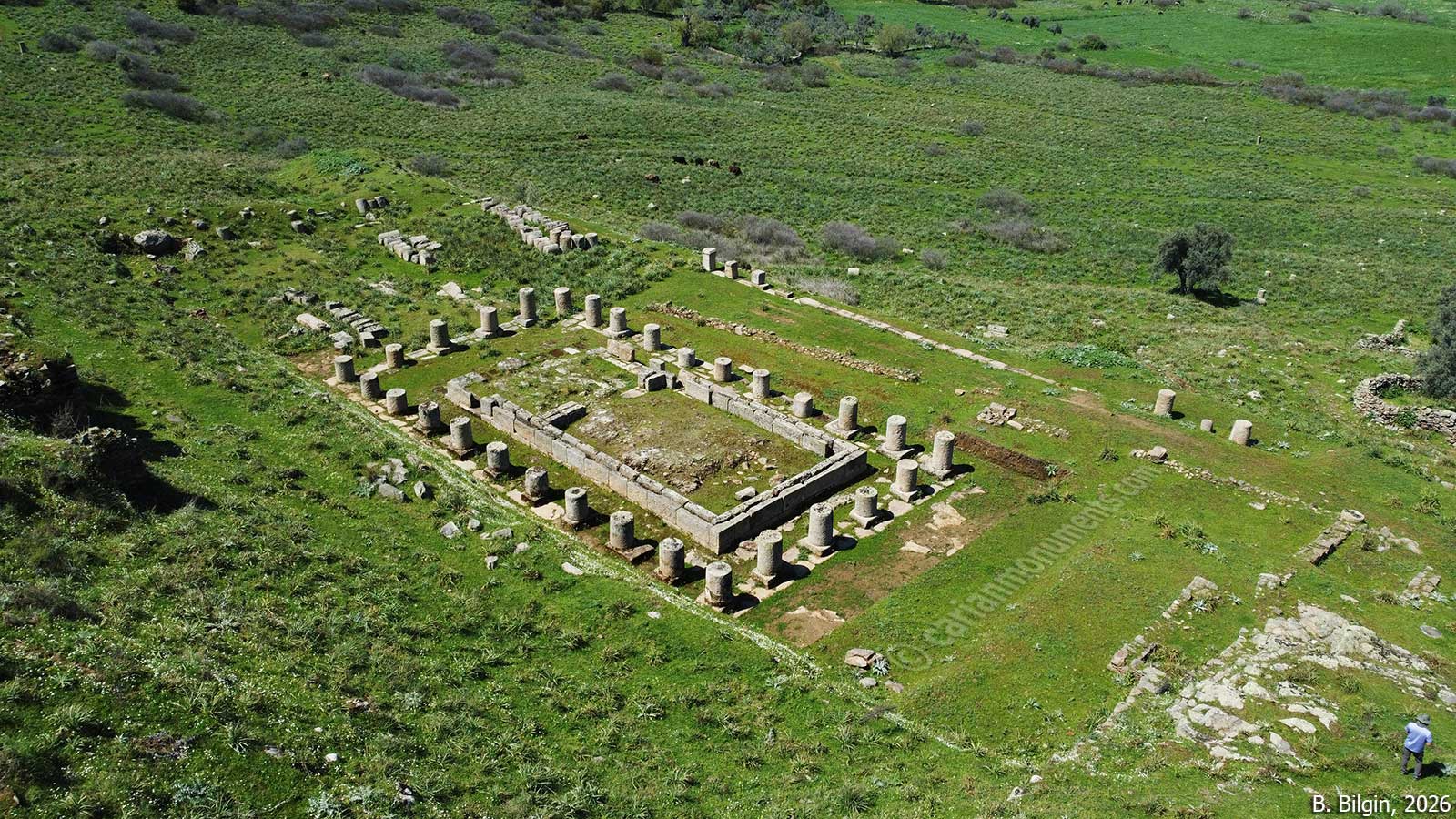
Temple of Zeus Khrysaoreus: A Doric peripteral temple built in the 4th century BCE using local gneiss stone covered in stucco to resemble marble. Excavations uncovered altars bearing the labrys (double-headed axe), confirming its dedication to Zeus.
Temple of Apollo Isotimos: An Ionic temple designed by the architect Menesthes in the Hellenistic period. In the Byzantine era, a baptistery was built into its naos.
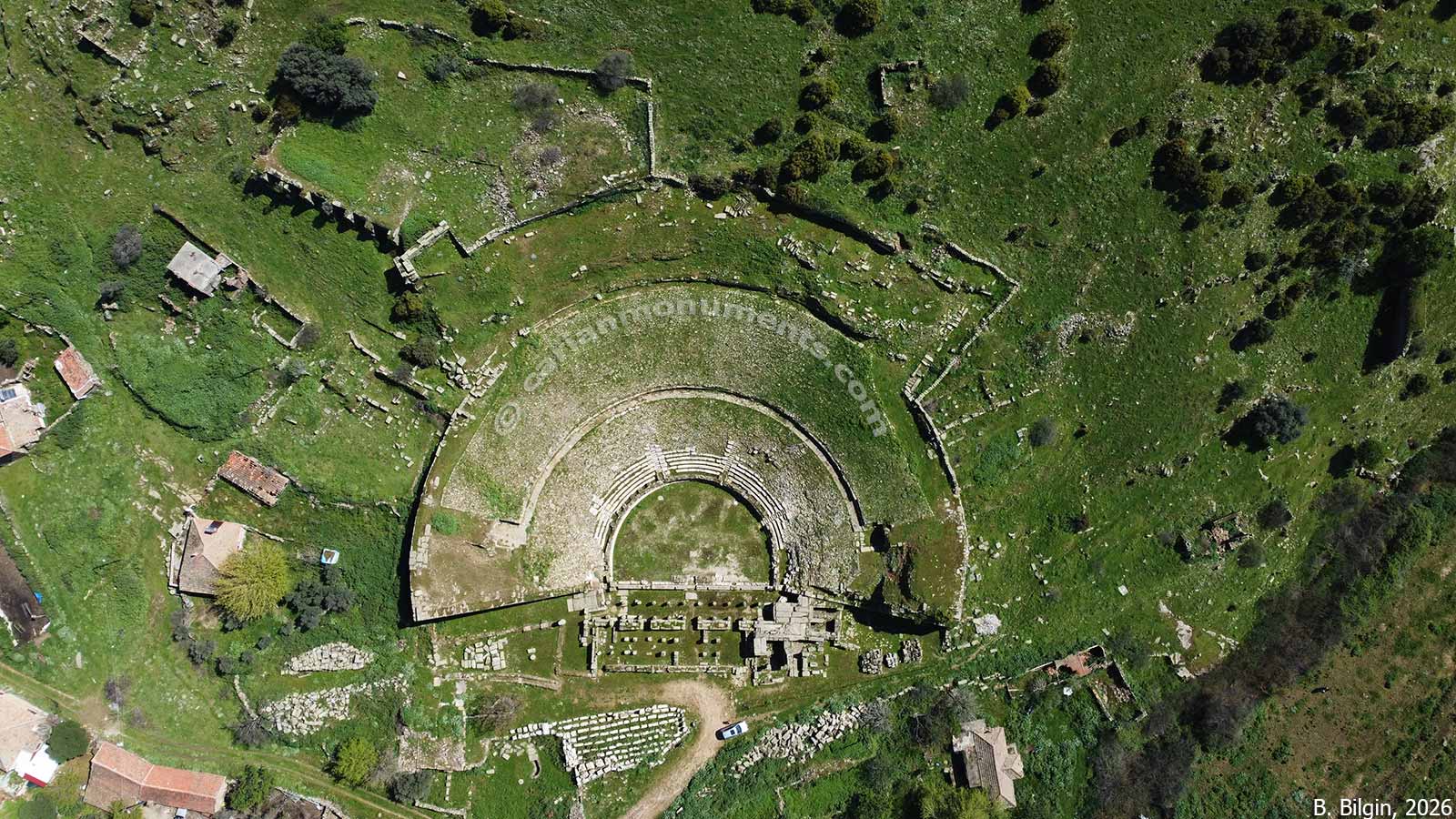
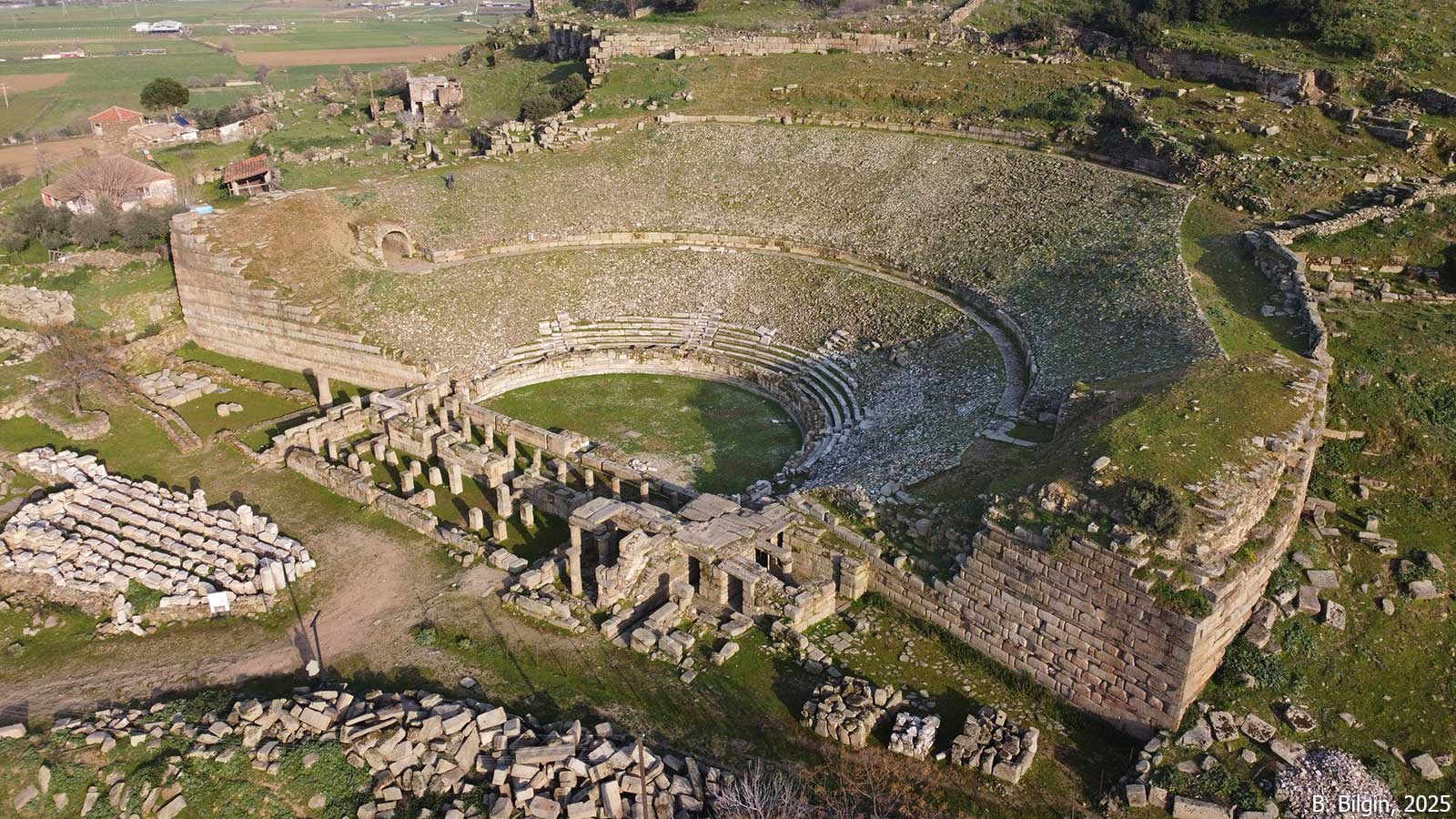
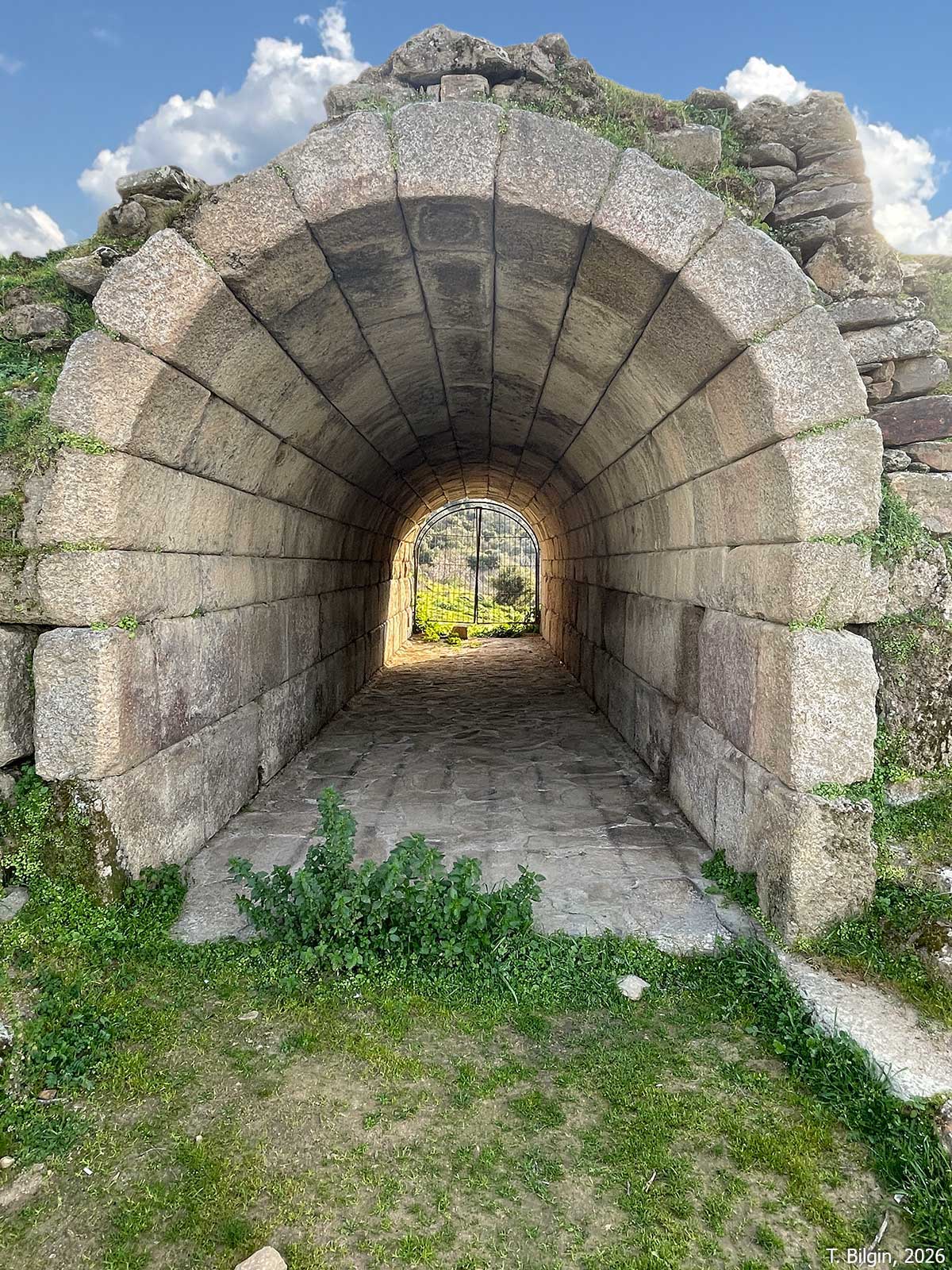
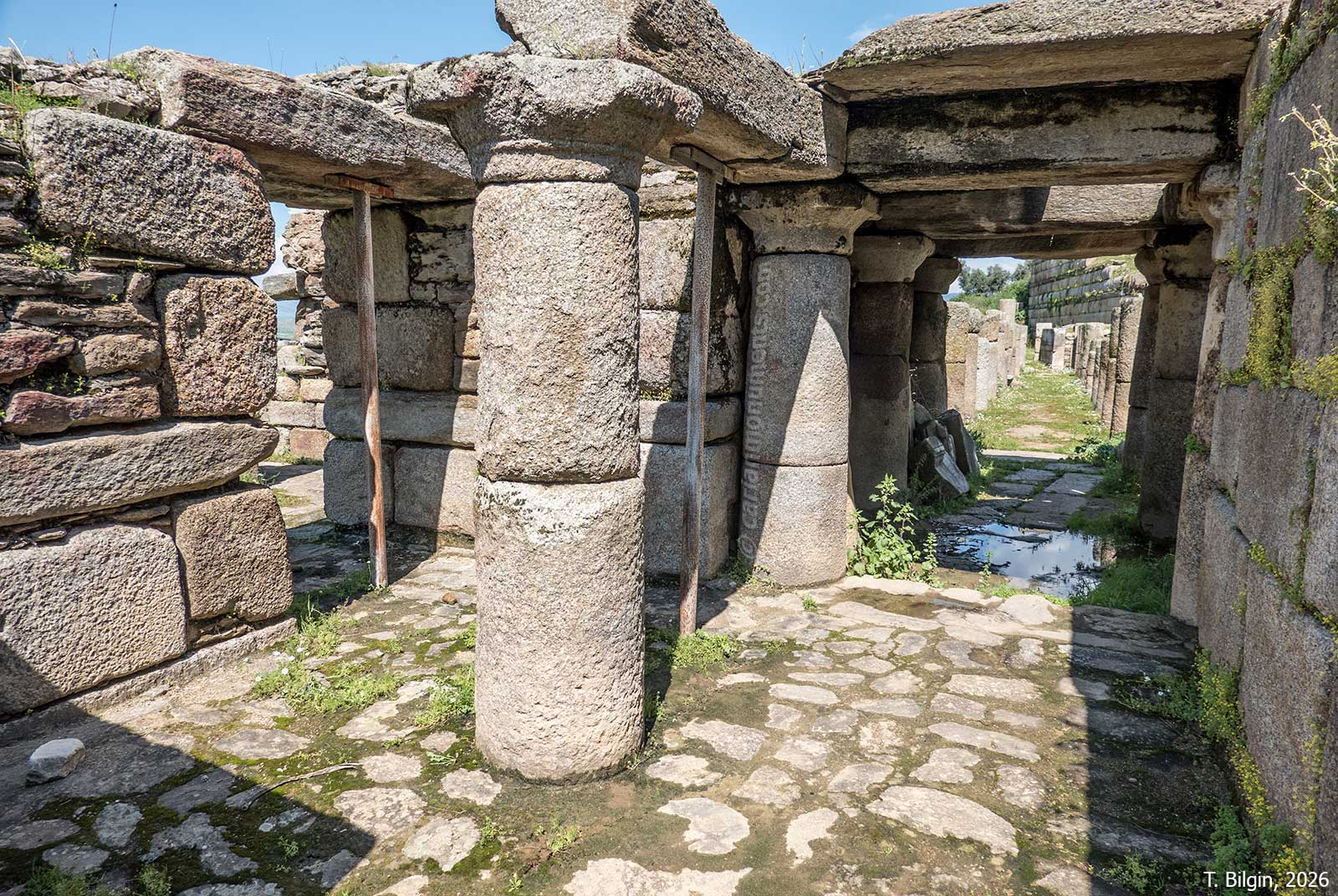
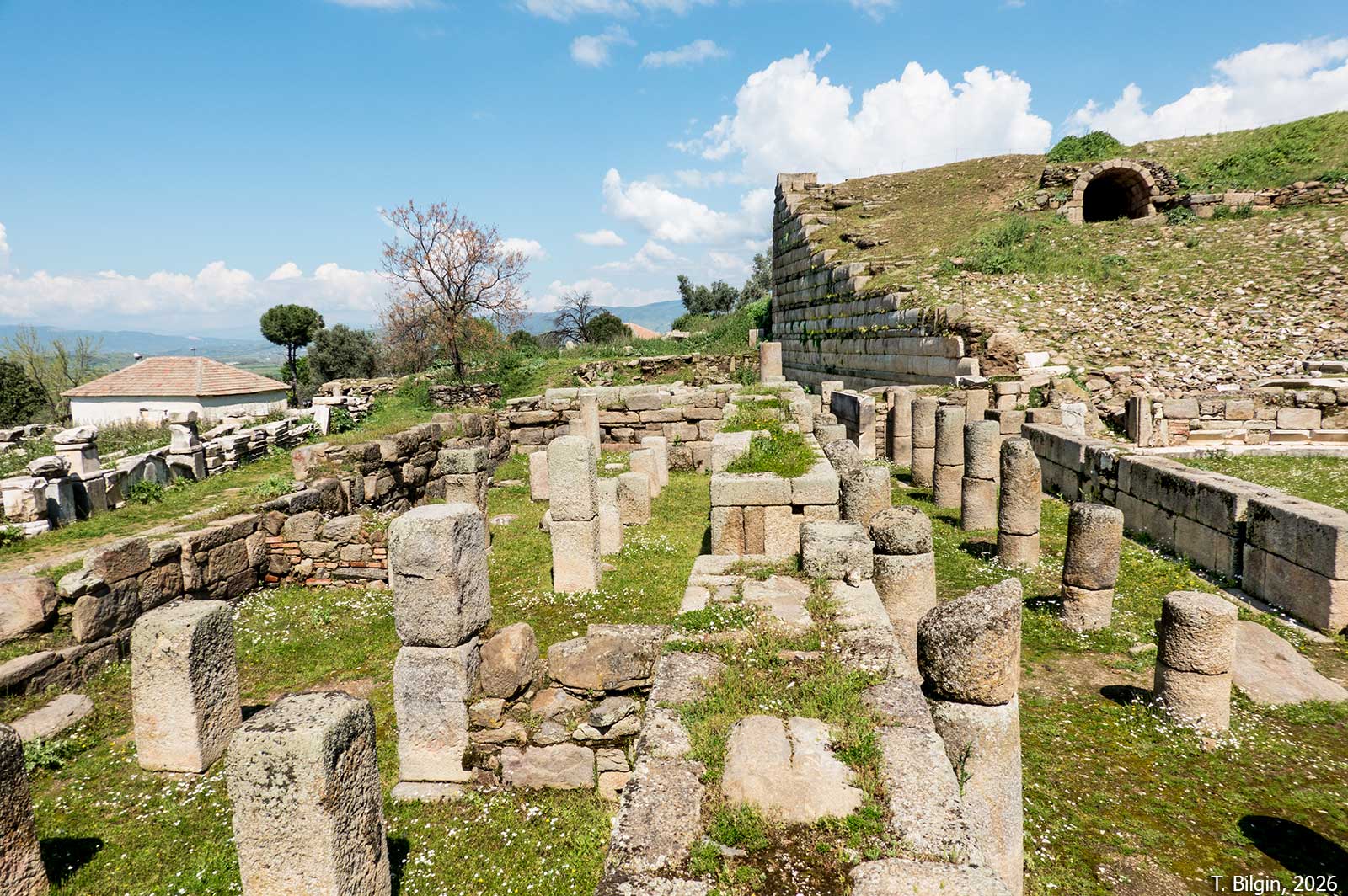
Theater: A Hellenistic structure modified in the Roman period. In the 4th century CE, the stage building was reconstructed using spolia, including blocks and columns, taken from the Temple of Zeus.
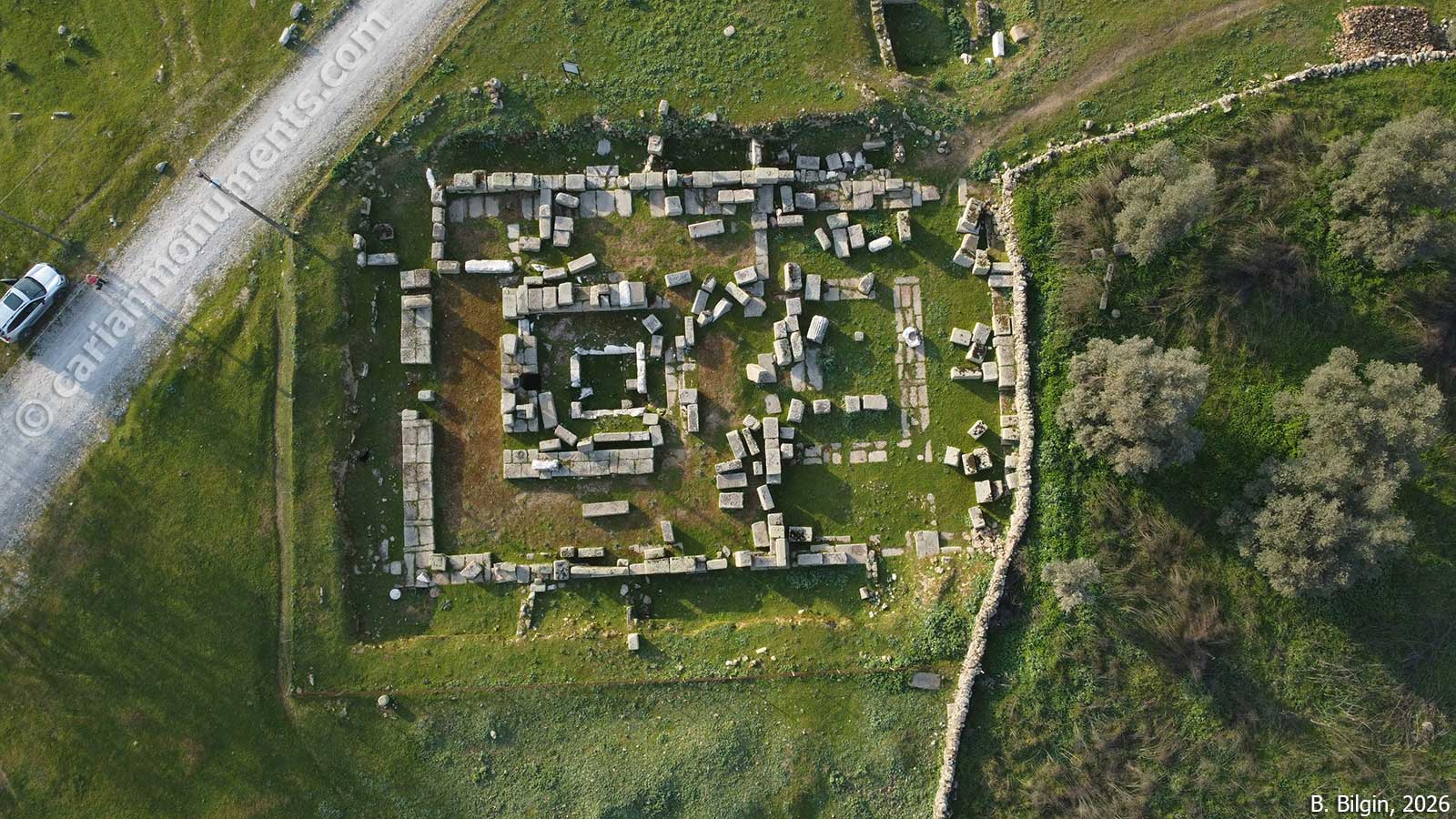
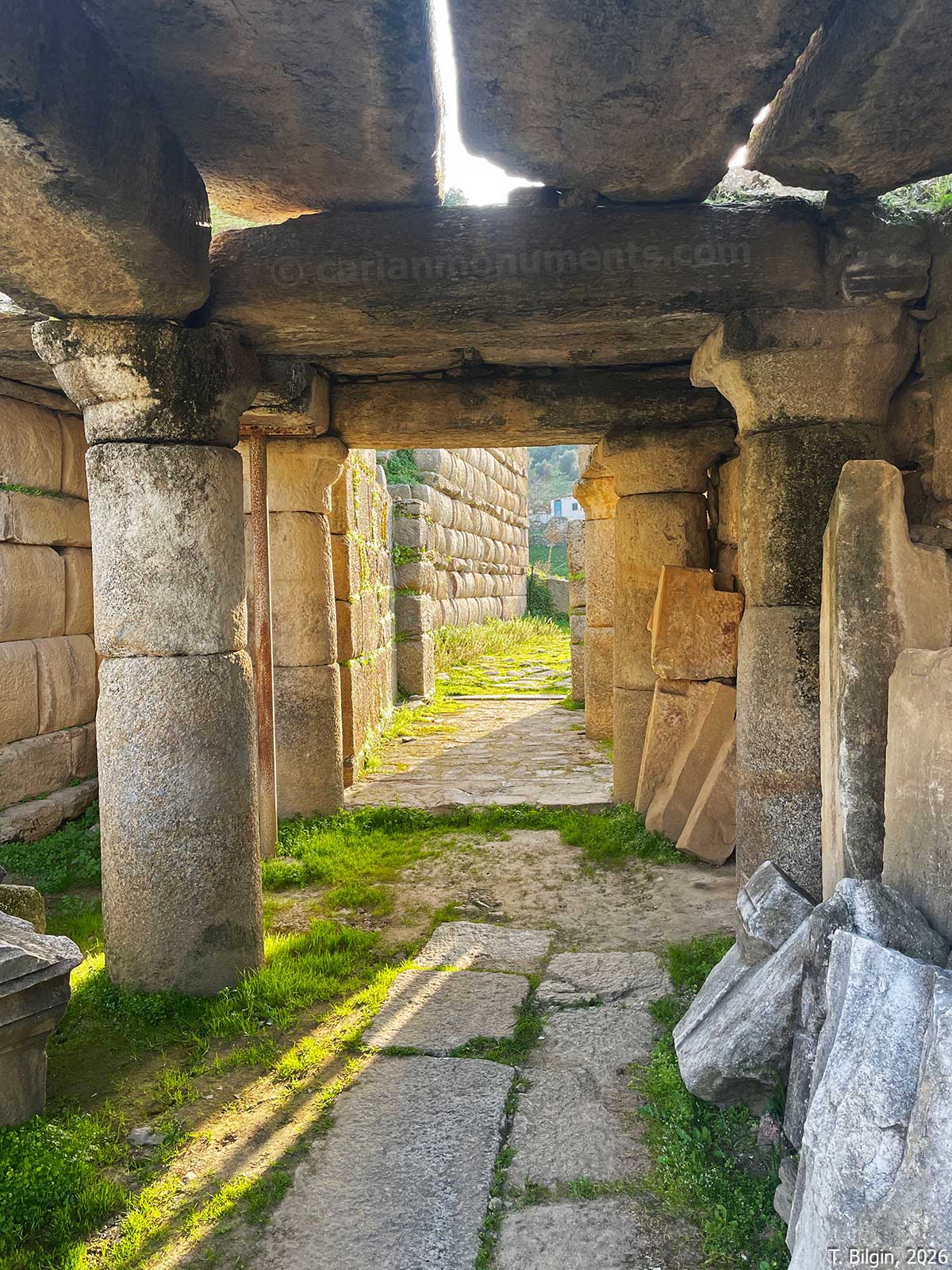
Bouleuterion: A rectangular council house with well-preserved walls, likely the site where Alabanda’s famous orators spoke.
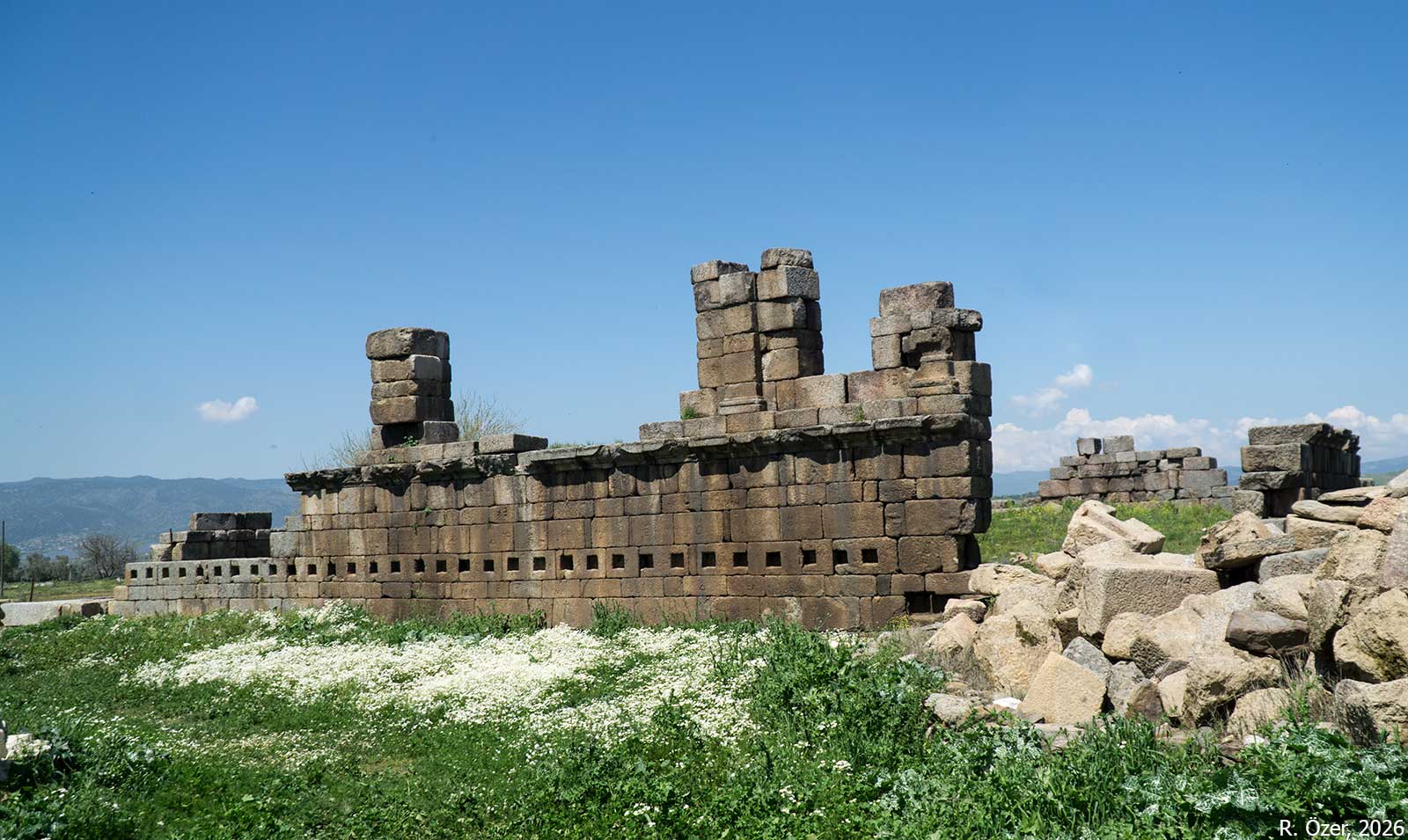
Eastern Bath: Previously identified as a “Buttressed Cistern,” recent excavations revealed a hypocaust system, confirming its function as a bath complex.






References:
Akkurnaz, S. 2018. “Sikkeler Işığında Alabanda’nın Siyasi ve Kültürel Tarihi’ne Kısa Bir Bakış,” Adnan Menderes University, Journal of Institute of Social Sciences 5/1, 298–324.
Ateşlier, S. 2014. “On the Excavations of the Zeus Temple of Alabanda,” Anatolia Antiqua XXII, 247–254.
Ateşlier, S. & S. Akkurnaz 2014. “2011–2012 Yılı Alabanda Kazıları,” KST 35/3, 482–498.
Aydın Tavukçu, Z. 2015. “Alabanda: Tarihi Coğrafya, Topoğrafya, Araştırma ve Kazılar,” Atatürk Üniversitesi Güzel Sanatlar Enstitüsü Dergisi 35, 223–256.
Aydın Tavukçu, Z., M. Ceylan, S. Coşkun, & K. Eker 2019. “Son Dönem Kazılarıyla Tanımlanan Yeni Bir Yapı: Alabanda Doğu Hamamı,” in Doğudan Batıya (Fs Serap Yaylalı), eds A. Erön & E. Erdan, Ankara, 303–316.
Karavul, C., H. Karaaslan, & A. Demirkol. 2016. “Investigation of structures in the Alabanda Bouleuterion by electrical resistivity method,” Arab J Geosci 9, 511.
Tavukçu, A. Y. et al. 2025. “Alabanda 2023,” KST 44/3, Ankara, 319–334.
Images:
C. Karavul et al., 2016
Bora Bilgin, 2025, 2026
Tayfun Bilgin, 2025, 2026
Reha Özer, 2026