Heracleia Salbace was situated on the slopes of Mount Salbacos (Babadağ) at the northwestern edge of the Tavas Plateau (modern Vakıf, Denizli). Geographically positioned at the border of Caria and Phrygia, the city was separated from its western neighbor, Aphrodisias, by the Timeles River (Yenidere), a natural boundary revered by both cities. The epithet “Salbace” was utilized to distinguish the settlement from other homonymous cities in antiquity.
While the exact founding date is undocumented, numismatic evidence dating back to the 1st century BCE suggests a Hellenistic foundation, likely by the Seleucids. The city was named after Heracles but its chief deities were Asclepius and Hygeia. Consequently, Heracleia Salbace became a renowned center for medicine; inscriptions indicate that doctors from the city attained high status, serving as chief physicians to Roman Emperors Trajan, Marcus Aurelius, and Lucius Verus. A major sanctuary (hieron) located outside the city walls indicates a significant cult dedicated to the triad of Apollo, Artemis, and Leto.
Scientific investigation of the site began with surveys by Robert Fleischer in 1993, followed by Denizli Museum’s excavation of the stadium in 2002. In 2021, a systematic survey led by Mehmet Ok was initiated to document the city’s topography and inscriptions.
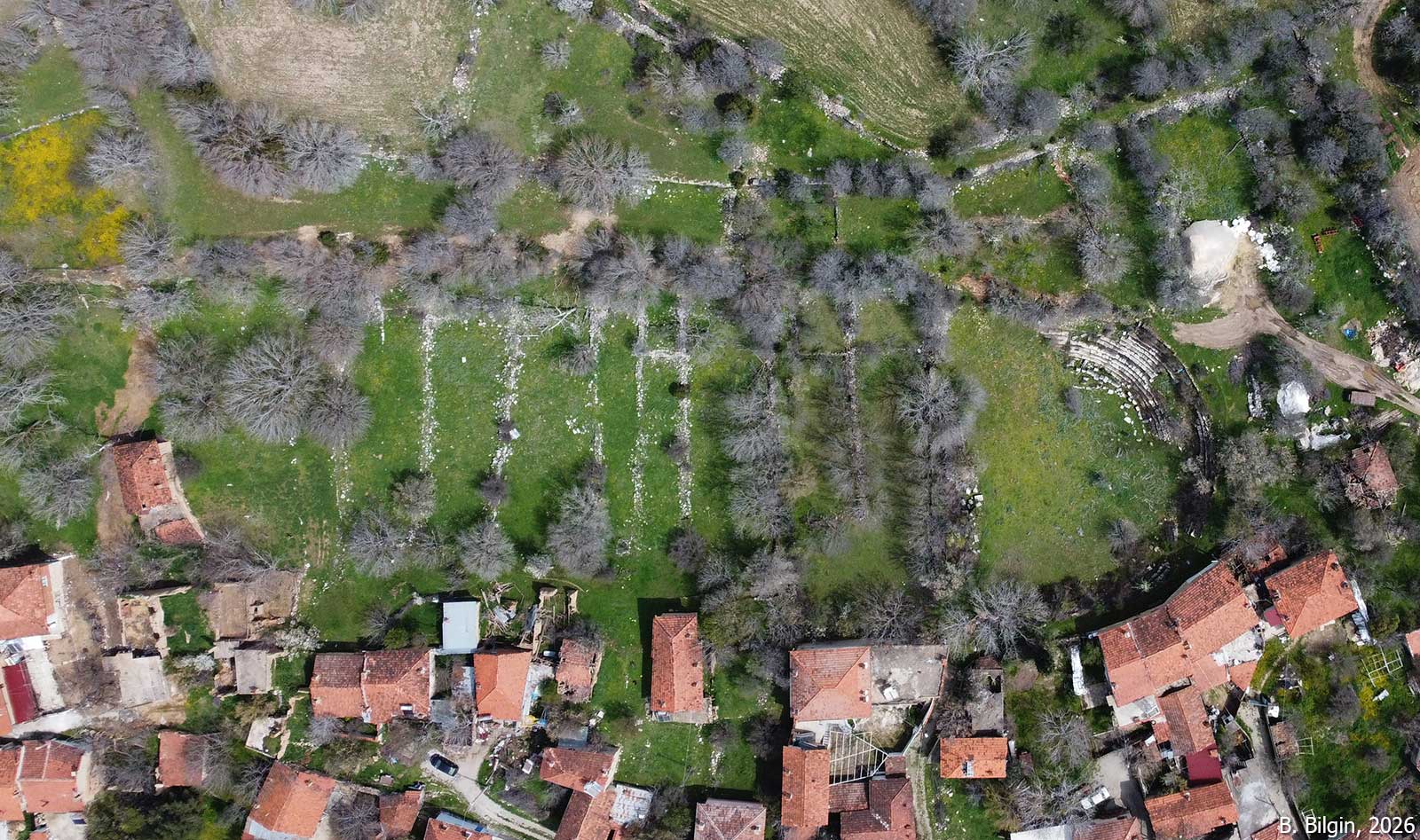
The archaeological site features a Late Roman city wall constructed largely from spolia (reused architectural blocks). The stadium located north of the city walls was partially excavated in 2002; its seating steps feature lion paw reliefs.


Hieron (Sanctuary of Apollo, Artemis, and Leto)
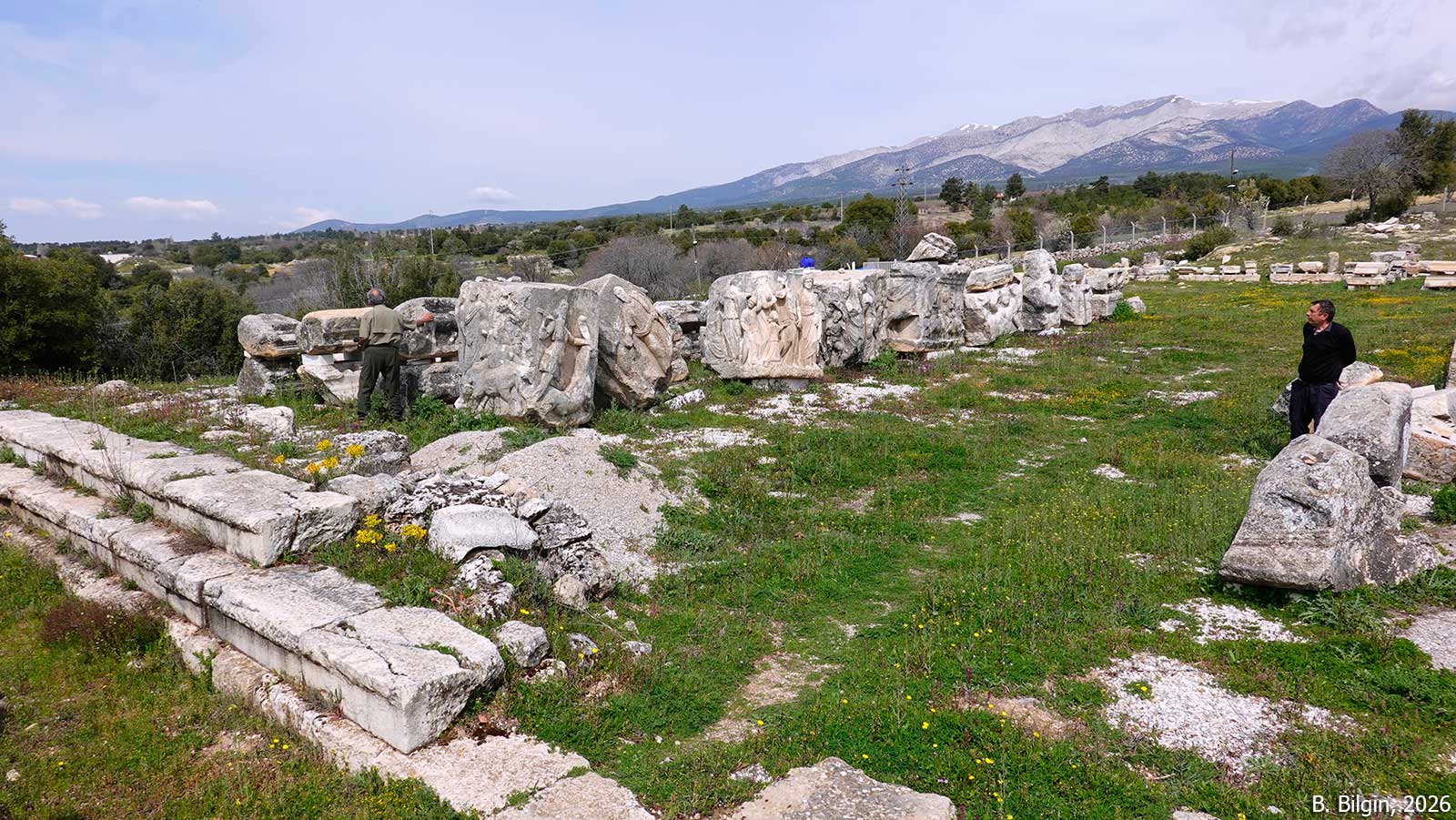
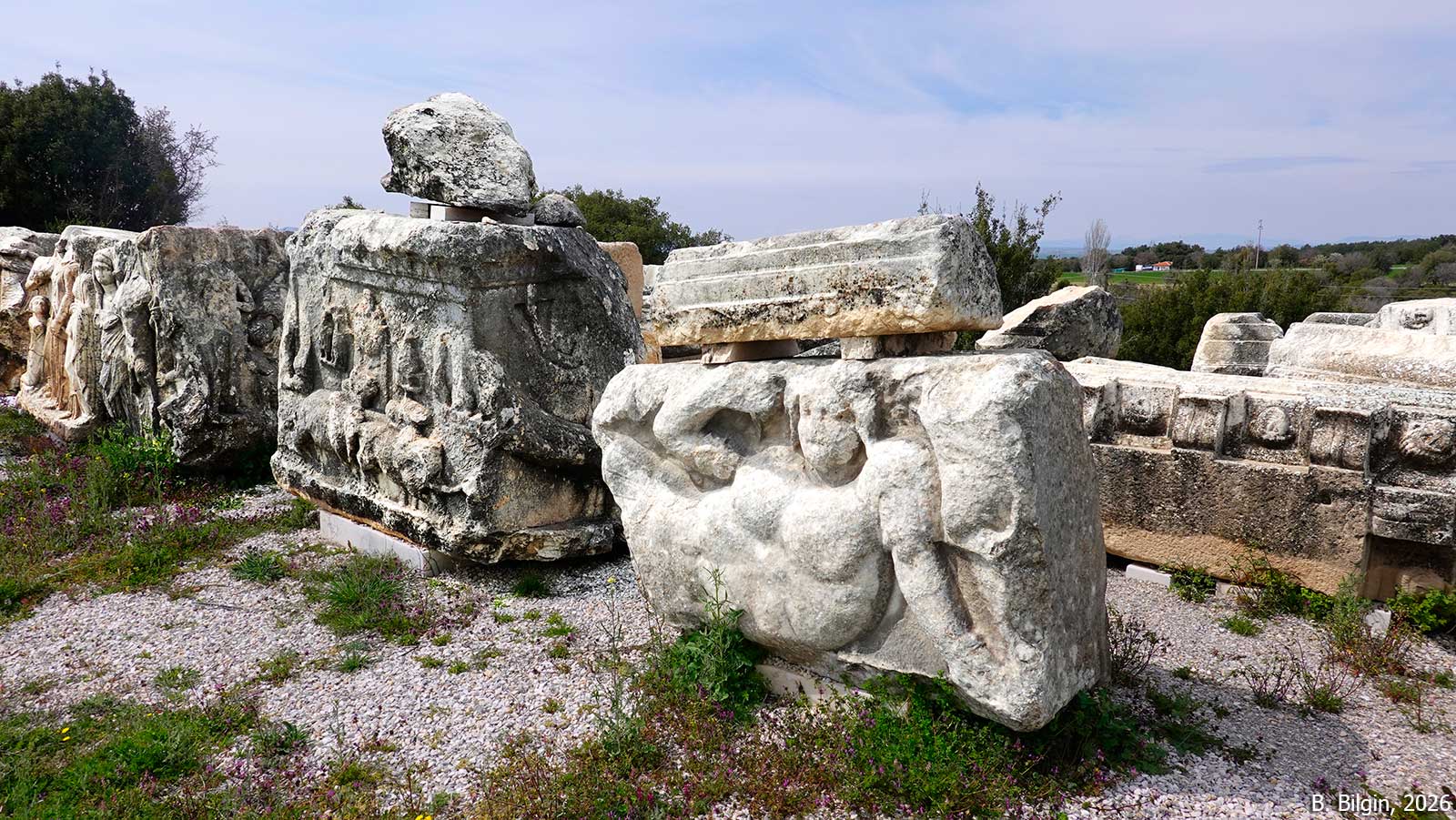
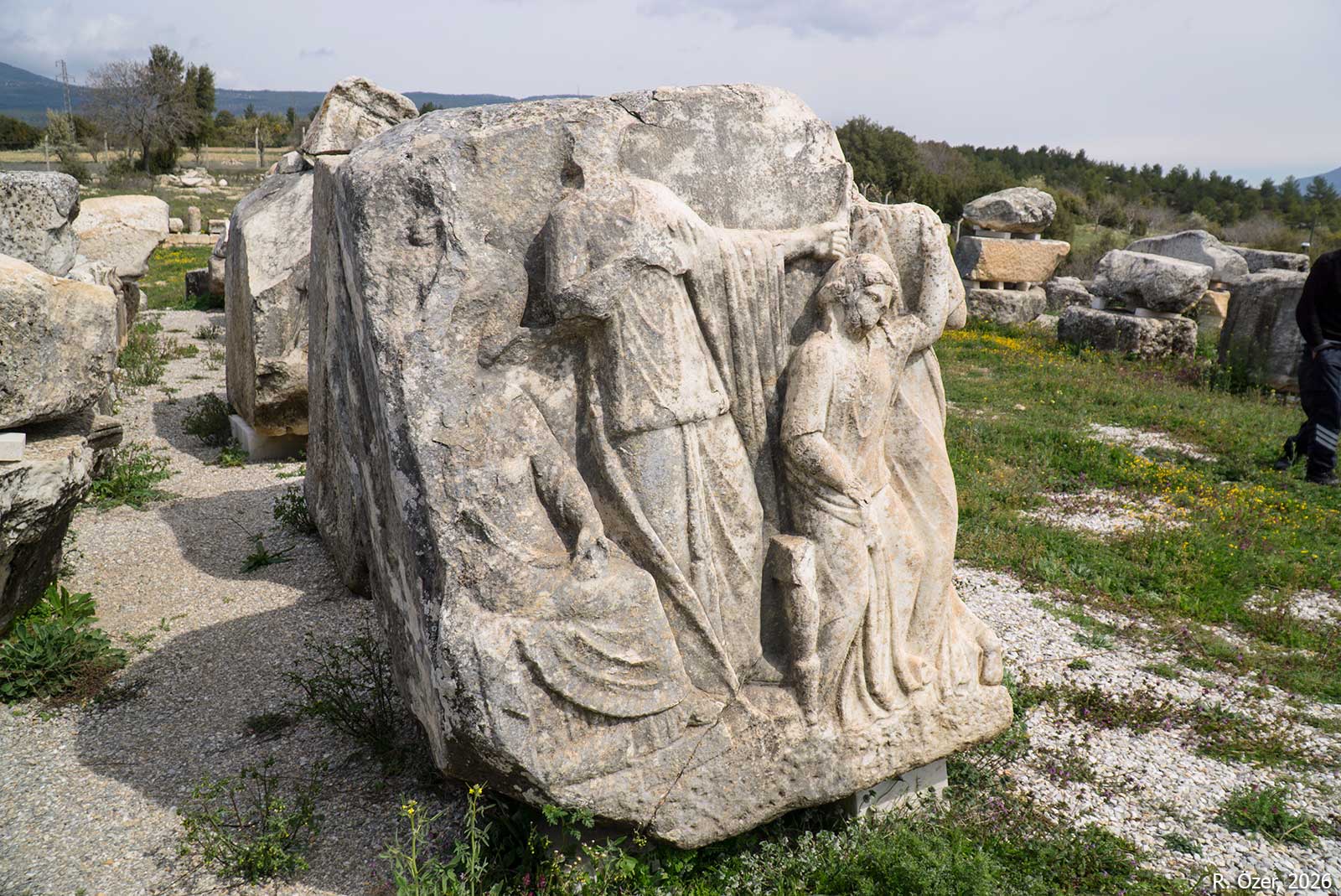
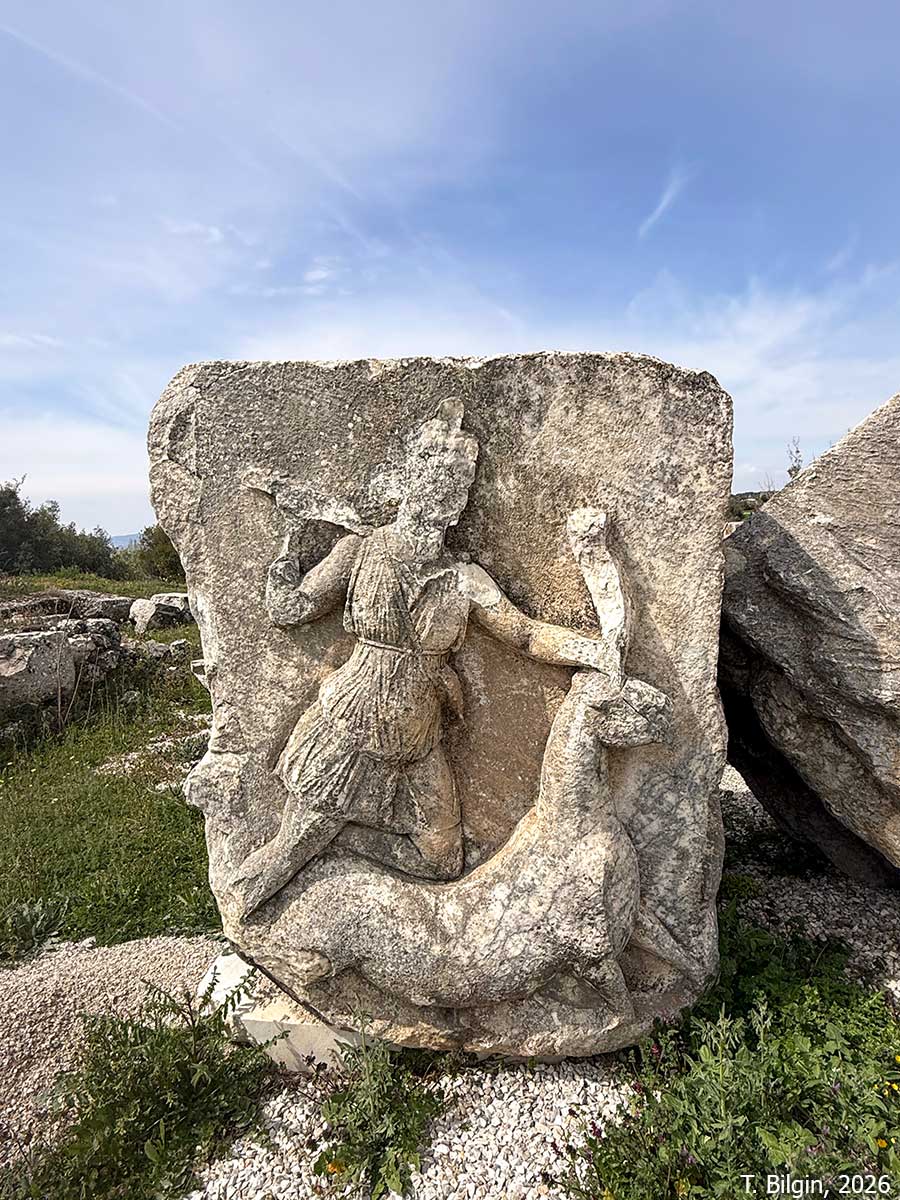
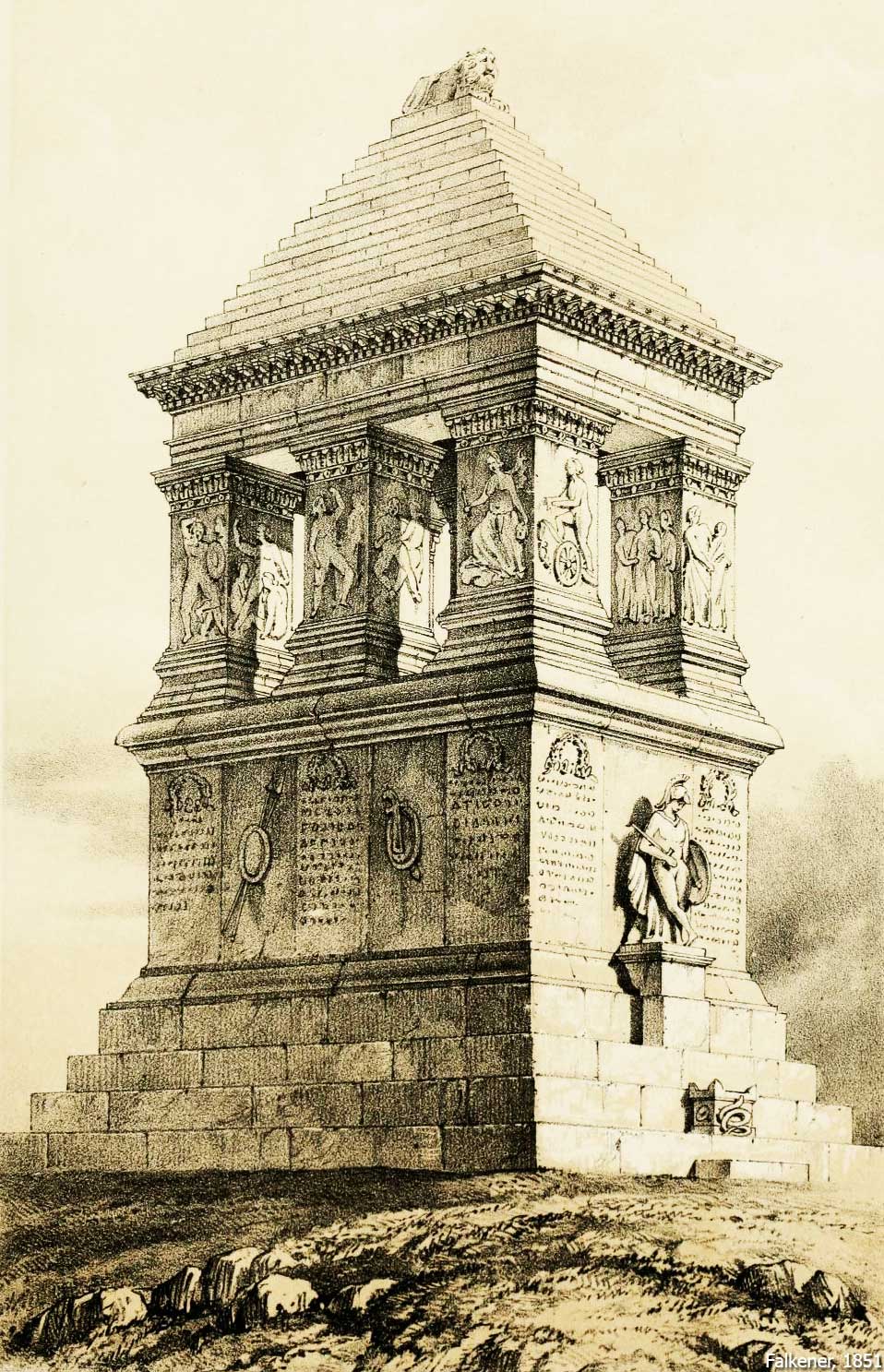
The Hieron is a temple precinct situated approximately 5 km southeast of the city near Kızılcabölük (Ören Sırtı). It was historically misidentified as a mausoleum by 19th-century travelers. It features high-quality relief blocks depicting the Niobid saga, Heracles with the Hesperides, Aphrodite with Eros, and a zodiac enclosing busts of Helios and Selene. Stylistic analysis suggests the reliefs date to the 1st century CE, comparable to the Sebasteion at Aphrodisias.



References:
Acar, Ö., A. Chaniotis, & M, Ok. 2024. “New Inscriptions from Herakleia Salbake,” Philia 10, 1–11.
Canlı, H. & M. Ok. 2021. “Karia’daki Herakleia Salbake’de Herakles Kültü,” in International Archeology, Art History and Cultural Heritage Congress 2021, eds. M. A. Akkaya & K. Beşaltı, 34–40.
Falkener, E. 1851. The Museum of Classical Antiquities I, London.
Fleischer, R. 2002. “Ein unbekanntes Heiligtum für Apollon, Artemis und Leto in der südwestlichen Türkei,” Antike Welt 33/3, 325–337.
de Laborde, L. 1838. Voyage de l’Asie Mineure Par Mrs. Alexandere de Laborde, Becker, Hall et Leon de Laborde, Paris.
Ok, M. & H. Canlı. 2023. “Herakleia Salbake Antik Kenti Yüzey Araştırması: 2021 Yılı,” AST 38/2, 443–456.
Scardozzi, G. 2015. “Herakleia Salbake: nuovi dati sulla topografia antica della città e del territorio,” Journal of Ancient Topography 25, 19–62.
Söğüt, B. 2007. “Antik Dönemde Salbakos Dağı ve Kalıntıları,” in Uluslararası Denizli ve Çevresi Tarih ve Kültür Sempozyumu Bildirileri 2, eds. A. Özçelik et al., Isparta, 15–24.
Şimşek, C. 2002. “Herakleia Salbace Antik Kenti”, in Tavas Yöresi I. Kültür ve Üretim Festivali Bildirileri, Denizli, 124–130.
Images:
L. de Laborde, 1838
E. Falkener, 1851
Bora Bilgin, 2026
Tayfun Bilgin, 2026
Reha Özer, 2026